




A recent report described the discovery of a cellular device embedded in a solar power inverter, which was not documented or known to be present until the device was dismantled and physically inspected. The existence of an unknown cell transmitter in a device already inside your trusted network is like a human spy embedded in your headquarters building. It has bypassed your access controls and can now gain knowledge of the structure and function of your operation, exercise command and control, exfiltrate sensitive data, or introduce false information.
Such a device would be impervious to the widely used cybersecurity measures we normally depend on to ring-fence sensitive network environments. It is already behind your perimeter firewall, and cybersecurity solutions such as VPNs, Zero Trust Network Access, Multi-factor Authentication, Secure Service Edge, and Endpoint Detection and Response trust it. It could call home anytime and open a backdoor into your digital systems.
This isn’t a theoretical risk — the device was physically installed and undocumented, escaping traditional asset inventories. Even more alarming, such malicious components can be embedded as part of the circuit board, rendering them invisible to routine inspections. And this isn’t only a solar energy concern. Unauthorized cellular transmitters have been found in batteries, heat pumps, and electric vehicle chargers. All smart devices or cyber-physical systems would be at risk: IoT, PLCs, RTUs, sensors, HVAC systems, medical equipment, and weapons systems are vulnerable.
A breach, if left unchecked, could disrupt power plants or grids, trigger hazardous conditions in chemical facilities, halt refinery operations, or even contaminate municipal water supplies, posing serious risks to human life, the environment, and critical infrastructure. In the defense realm, it could compromise ISR, disable kinetic weapons systems, and interfere with C4 operations. Key Critical National Infrastructure sectors — power generation, oil & gas, manufacturing, pharmaceuticals, and national defense would end up being vulnerable unless mitigating controls are introduced.
The bottom line is that we’re entering a new era of hardware-enabled cyber warfare. There are only two ways that this type of threat can be countered: impeccable control of the hardware bill of materials or using stringent zero-trust network microsegmentation that prevents the rogue device from accessing the rest of the infrastructure. In the complex supply chain world, the former is a good practice but difficult (or impossible) to assure, and that means the latter is the only practical approach to solving this problem.
How The Threat of Embedded Cellular Devices Threatens Critical National Infrastructure
In the example of a solar power generation setup, the perimeter firewall acts as the primary defense, regulating traffic to and from the external world. As long as no internal threat exists, this model provides security and stability.
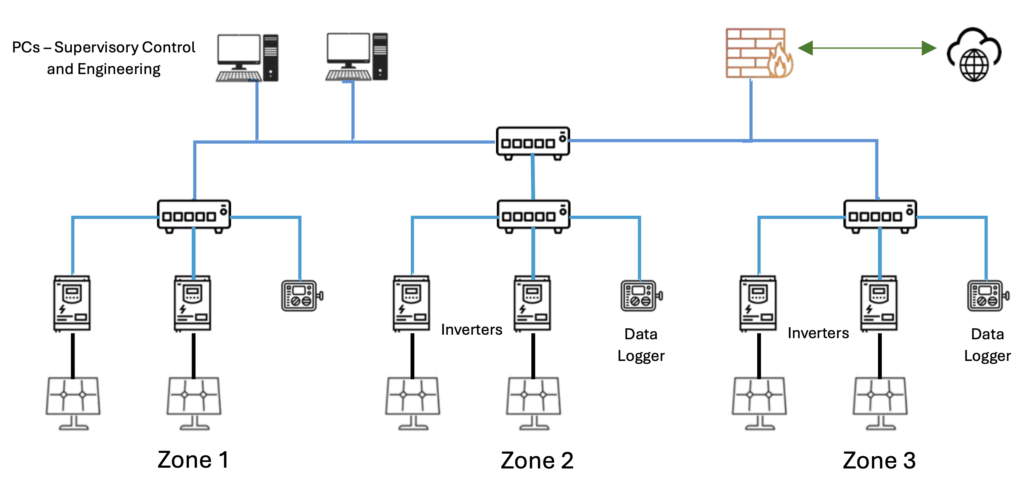
But this security posture changes dramatically when a rogue transmitter is introduced—intentionally or otherwise. Once embedded in a system asset, such a device can initiate unauthorized communication with the internet, effectively bypassing perimeter controls. Without any internal traffic segmentation or lateral movement controls, the entire infrastructure becomes exposed. The attacker gains potential access to all connected systems, escalating risk across operations.
How ColorTokens Xshield Contains the Threat
ColorTokens’ Xshield Enterprise Microsegmentation PlatformTM contains the impact of such breaches — before they escalate:
- Stops lateral movement: Limits the rogue device’s communication to its local zone
- Blocks unauthorized traffic: Actively enforces security policies without needing agents
- Helps identify malicious actors: Detects and flags devices emitting suspicious traffic
- Minimizes blast radius: In a breach scenario, damage is limited to a single segment
- No or Minimal Impact to Operations: Normal operations can continue, soonest
The ColorTokens Xshield platform is purpose-built to neutralize these types of threats. It is agentless, meaning you don’t have to install any software on the devices you need to protect. Xshield discovers and visualizes your network assets. Then, it controls traffic between assets and the rest of your network. By enforcing strict microsegmentation and preventing the lateral movement of a cyber-attack, Xshield ensures that even if a rogue device infiltrates your infrastructure, its blast radius is minimized.
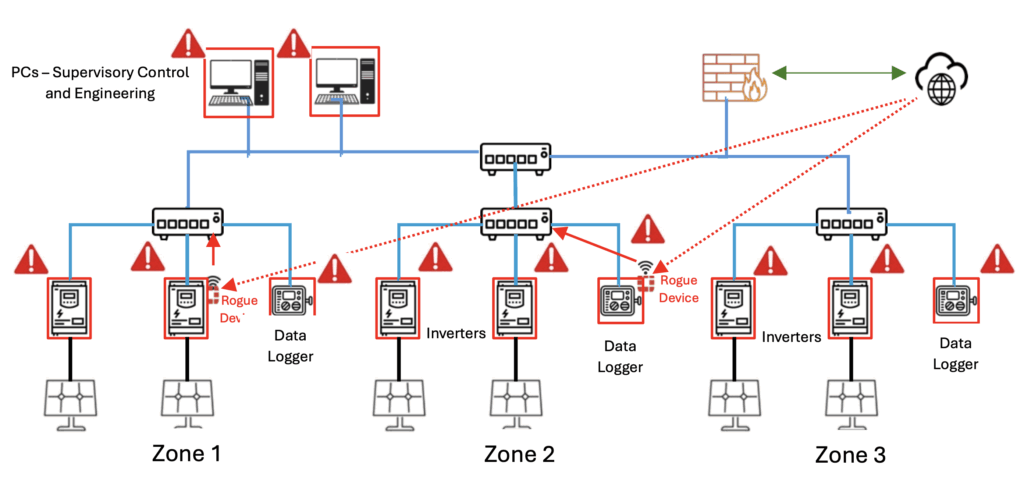
Instead of letting one compromised node endanger the entire operation, Xshield locks it down, containing the threat to the immediate asset or zone and identifying malicious traffic patterns in real-time. In the scenario below, two rogue devices are isolated, preventing them from affecting operations beyond their respective zones. Xshield doesn’t just block the attack. It shows you where it started.
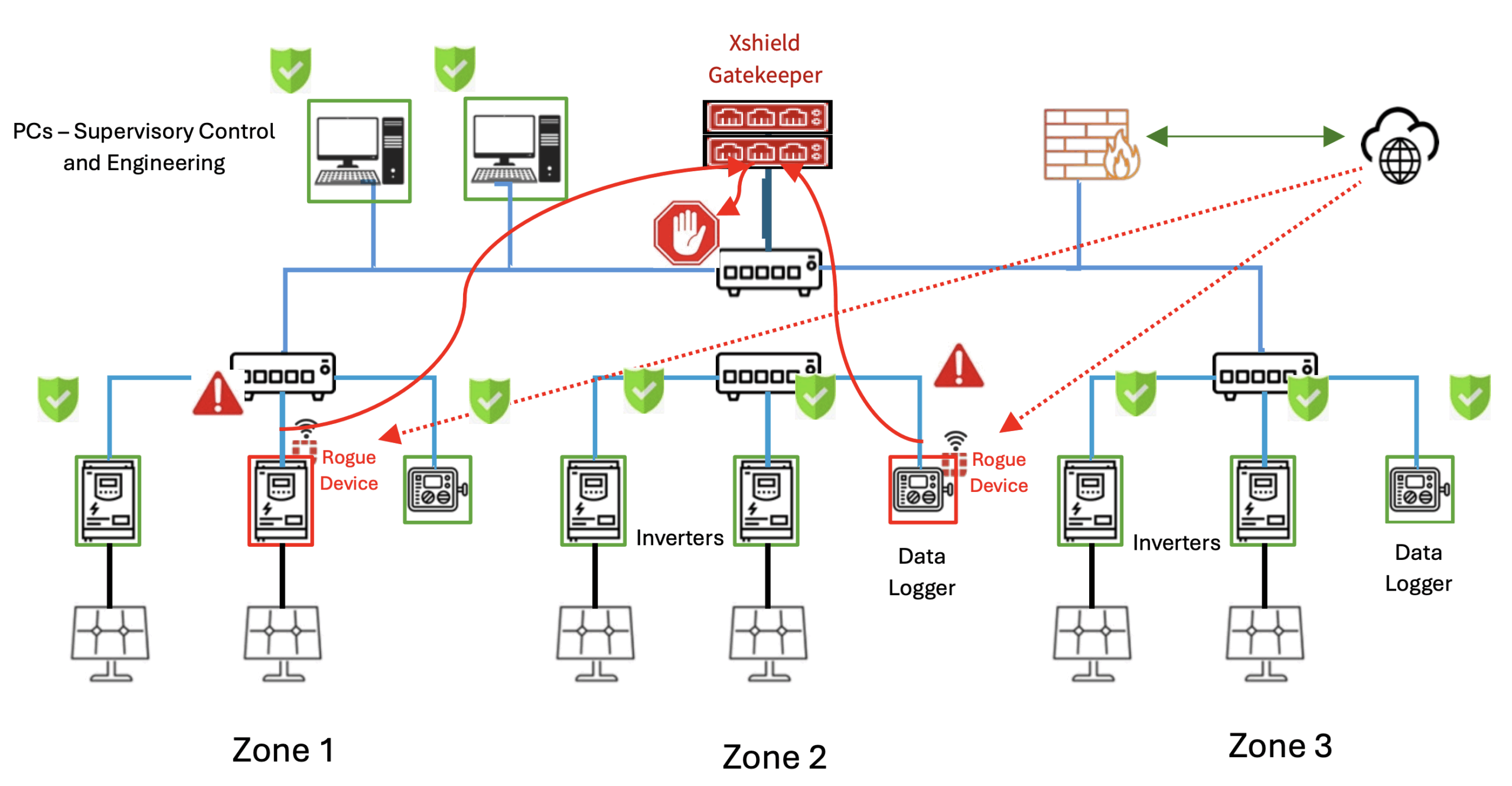
Xshield introduces intelligent microsegmentation via the Xshield Gatekeeper. When deployed, it becomes the enforcement point for traffic to and from all assets. Even if a rogue device is active, its traffic must pass through the Gatekeeper, where Xshield monitors and blocks unauthorized communications. As a result, threats are contained at the source. Operations can continue with minimal disruption while risk exposure is dramatically reduced.
The Bottom line – Stay to the Left of the Boom
ColorTokens Xshield delivers proactive containment and uncovers risks that traditional tools miss, before an attack disrupts your operations. It lets you adopt a security posture that makes you breach-ready, so that even if your environment is compromised, you can continue the mission with minimal disruption to operations.
Ensure continuity of operations. Enhance your breach readiness.
Gain visibility and increase the digital resilience of your systems.
To schedule a discussion with our expert solutions team on how you can protect your infrastructure from rogue devices, contact us at www.ColorTokens.com/contact-us