



Table of Contents

A cyberattack does not have to shut down a power grid to threaten critical infrastructure. It can begin with a refrigeration controller.
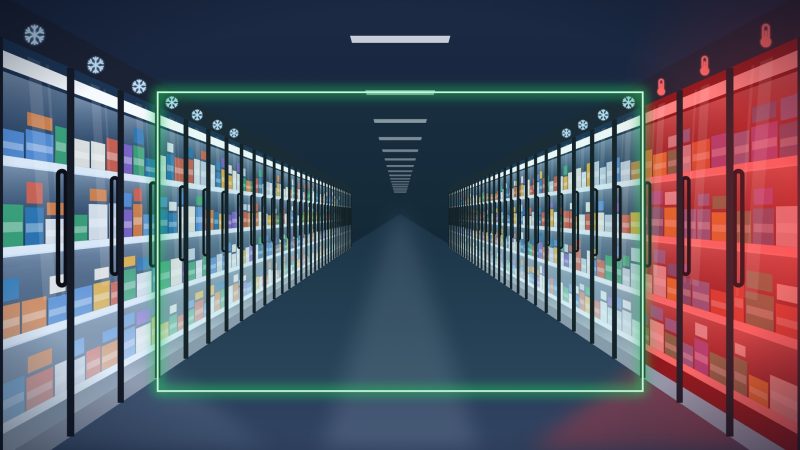
In October 2026, attackers forced refrigeration systems at hundreds of French supermarkets into defrost mode, spoiling food. In early November, another wave affected retailers across Europe. A separate cyberattack involving a refrigeration supplier altered temperature settings at three French blood-storage sites. Meanwhile, the Pentagon is investigating whether freezer malfunctions at U.S. military commissaries in August were cyberattacks.
How Refrigeration Cyberattacks Threaten Critical Infrastructure
These attacks demonstrate just how effective a cyberterrorism campaign could be. Our adversaries are increasingly targeting the foundational elements of human life, including water, electricity, and now our food supply. Even when these attacks fail to cause widespread disruption, they can create fear, undermine public confidence, and expose vulnerabilities in the infrastructure our communities depend on.
During my more than 23 years at the U.S. Department of the Interior, including as its CISO, I learned to assess cyber risk through its impact on essential services. Even seemingly mundane operational technology (OT) can be weaponized. Refrigeration controllers may not attract the same attention as power grids or water treatment systems, but they are essential to food safety and supply chain continuity. By manipulating legitimate control functions, such as forcing refrigeration systems into defrost mode, attackers can cause significant physical and economic damage without deploying sophisticated malware.
At the French blood-storage sites, the attack involved a refrigeration supplier rather than the blood service itself. Monitoring alarms detected abnormal settings, allowing staff to protect blood products before they were damaged.
Watch VideoSecuring the Future of Bioenergy: California Bioenergy’s Cyber Defense TransformationCould These Cyberattacks Be Part of a Larger Campaign?
Reports of suspected cyberattacks involving U.S. military commissaries are particularly concerning. Although investigators have not established a connection or confirmed the cause of the U.S. incidents, successful attacks against military food supplies could directly affect logistics and operational readiness.
My greatest concern is that we may be witnessing adversaries testing our defenses ahead of something much larger. A coordinated cyberattack targeting multiple critical infrastructure sectors simultaneously could have far-reaching consequences for public safety, economic stability, and national security. We cannot afford to wait for that scenario to become reality.
While the geographic scope raises questions about coordinated or nation-state activity, attribution remains uncertain. Regardless of who is responsible, the potential for these techniques to be used in a broader campaign against critical infrastructure should concern us all.
Access White PaperAre Your OT Systems Truly Breach Ready?Why Patching Alone Is Not Enough for OT Security
Patching alone is not enough. Many OT environments rely on legacy controllers that cannot be easily updated or replaced. Organizations must identify exposed assets, eliminate unnecessary internet access, enforce strong authentication, and implement microsegmentation to restrict unauthorized communications and contain compromised systems.
They should also review third-party remote access and test how quickly teams can detect and isolate compromised equipment without disrupting essential functions.
Leading the Department of the Interior’s Zero Trust strategy reinforced a principle that continues to guide my work. Cybersecurity must go beyond preventing intrusions. Essential services must continue operating even when an attack succeeds. That requires comprehensive asset visibility, Zero Trust access controls, microsegmentation, continuous monitoring, and tested recovery procedures.
Ultimately, our adversaries don’t need to steal data to cause harm. They only need to disrupt the systems that sustain our daily lives. Our measure of cybersecurity success must be whether we can contain an attack and keep the mission running.
Access the Forrester Wave™: Microsegmentation Solutions, Q3 2026 ReportDiscover why ColorTokens was named a Leader and rated ‘Superior’ for its deployment flexibility and OT security.Contact the ColorTokens team to discuss how your organization can contain cyberattacks and keep critical operations running.